Tarot Cards Reader: A Designer's Practical Review
As a designer who has spent years navigating the intersection of digital graphics and physical thread, I approach every new machine embroidery design with a critical eye. The market is flooded with assets that look great on a screen but fall apart under the needle. When I first opened the Tarot Cards Reader file, my initial reaction was one of cautious optimism. This isn't just another mystical symbol; it is a character-driven piece with a distinct personality. The "Funny Psychic" angle immediately sets a tone that feels less like high-end gothic art and more like a playful nod to pop culture spirituality. For an Etsy seller or a small shop owner looking to stand out in a crowded niche, this kind of visual humor can be a massive differentiator.
The Visual Impact and Design Personality
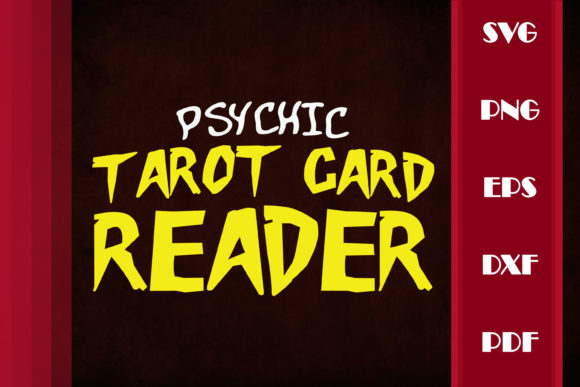
At its core, the Tarot Cards Reader graphic relies on bold lines and clear silhouettes. In the world of Graphics intended for cutting or printing, this is often where the magic happens, but for us embroiderers, it translates to specific challenges and opportunities. The design features a figure holding cards, likely with expressive facial features and perhaps some floating elements representing psychic energy. The layout is balanced enough to work as a central motif on a garment, yet detailed enough to demand attention.
When I visualize this as a finished product, I see it working exceptionally well on heavier fabrics. Imagine this design stitched onto a heavy cotton tote bag or the chest of a heavyweight sweatshirt. The "Funny Psychic" theme suggests a target audience that appreciates irony and whimsy—think festival-goers, yoga enthusiasts, or friends looking for a quirky holiday gift. The visual weight of the design holds up well against the background, provided you choose your thread colors wisely. High contrast is key here. If you stitch this in black on a dark navy sweatshirt, the details will vanish. However, using a bright fuchsia or electric blue against a charcoal grey fabric would make the character pop, instantly elevating the perceived value of the handmade product.
Real-World Application: The Custom Tote Bag Scenario
Let's walk through a real-life scenario. You are preparing a batch of custom embroidered tote bags for a local craft fair. You've selected the Tarot Cards Reader design because it fits the vibe of your booth perfectly. You load the embroidery file into your machine. Here is where practical judgment takes over. Because the design includes text or intricate card details, you must ensure the stitch density is appropriate for the fabric. Tote bags are often made of canvas, which is forgiving, but if you use a thin stabilizer, the fabric might pucker around the dense fill stitches of the cards.
I recommend testing this design on a scrap piece of the actual canvas first. Check how the satin stitch handles the outlines of the tarot cards. If the lines are too thick, they might look blobby; if they are too thin, they could break during washing. Once you get the settings right, the result is a professional-looking tote bag design that feels curated rather than mass-produced. Customers at a craft fair often gravitate toward items with a story, and this design tells one immediately. It sparks conversation, which drives sales. The finished product looks like something someone would wear proudly to a music festival or carry while shopping at a boutique.
Navigating Fabric Challenges and Hoop Constraints
While the design is versatile, there are limitations you must respect. Do not attempt to shrink this design down to fit a tiny 4x4 hoop unless you are willing to lose significant detail. The facial expressions and the individual cards need space to breathe. On smaller items like caps or baby onesies, the design might become too dense, leading to registration issues where the running stitch doesn't catch properly. If you are working with stretchy fabrics like jersey knit for a t-shirt, you will need a cutaway stabilizer to prevent the design from distorting when the fabric stretches.
Texture also plays a role. If you are stitching this on a textured fleece or a nubby linen pillow cover, the fine details of the "Funny Psychic" face might get lost in the weave of the fabric. In these cases, consider simplifying the design or using a thicker thread to maintain visibility. Conversely, on smooth cotton blends, the fill stitch will lay flat and crisp, showcasing the full artistic intent of the Tarot Cards Reader. Always remember that the success of an embroidery project is often determined by the relationship between the design size, the fabric texture, and the stabilizer choice.
Commercial Viability and Business Strategy
For the creative entrepreneur, the question is always about return on investment. Does Tarot Cards Reader justify the time spent? Absolutely, if positioned correctly. This design fits perfectly into the holiday embroidery category, specifically for gifts targeting the "witchy" or spiritual demographic. Think personalized aprons for kitchen witches, patches for denim jackets, or even decorative accents on nursery decor for parents who love astrology.
However, before listing these items, you must verify the licensing terms. The product description mentions that this listing is for digital cut files (SVG, DXF, PNG, EPS), which implies it is primarily a Print Template. If you intend to use this for commercial embroidery, you must confirm that the license allows for selling finished goods. Many digital assets have restrictions on commercial use. Never assume. Check the documentation included in the ZIP folder. If the license permits, this design becomes a valuable asset for your craft business, allowing you to create unique inventory that competitors don't have.
Technical Considerations for the Digital Product Seller
If you are selling the design itself as a digital embroidery file, you need to ensure the conversion from vector to stitch is flawless. Since the source files are SVG and EPS, you have the flexibility to resize and recolor them easily. However, converting a graphic meant for cutting into an embroidery pattern requires careful digitizing. The curves of the cards and the flow of the psychic's hair need to be translated into stitch directions that mimic the original flow without creating excessive jump stitches.
When creating printable mockups for your online store, test the design in both black and white and full color. This helps potential buyers understand how the design will look on various backgrounds. Show it on a light shirt, a dark hoodie, and a neutral tote bag. This variety builds customer trust and reduces returns. The commercial embroidery market is competitive, and presentation is everything. A well-thought-out preview of the Tarot Cards Reader can significantly increase buyer engagement.
Final Verdict for the Maker
In conclusion, the Tarot Cards Reader is a strong contender for designers looking to add a touch of humor and mystique to their portfolio. It works best on medium-to-large projects where the details can shine, such as sweatshirts, tote bags, and wall hangings. It requires careful attention to stabilizer choice and thread contrast to avoid common pitfalls like puckering or poor visibility. By treating this design with the respect it deserves—testing on scraps, respecting the hoop size limits, and verifying licenses—you can turn a simple digital download into a standout personalized gift or a profitable line of merchandise.
Whether you are a hobbyist making gifts for friends or a seasoned small shop product creator, this design offers a fresh take on a classic theme. It invites creativity and allows for personalization through color choices and placement. Just remember: the best embroidery comes from understanding the material, the machine, and the message. With Tarot Cards Reader, the message is clear, fun, and ready to be stitched into reality.