Wine Not Svg: A Designer's Real-World Review
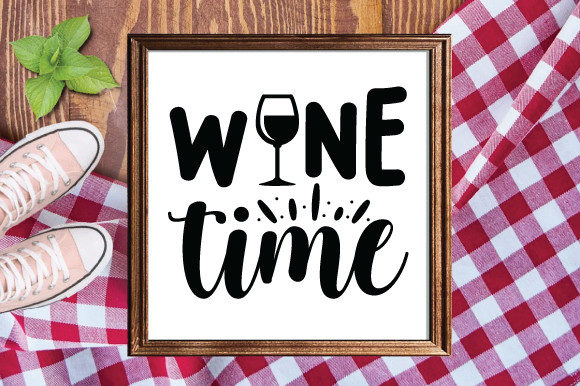
As a designer who spends countless hours translating digital concepts into tangible stitched goods, I approach every new asset with a critical eye. The market is flooded with Graphics and Print Templates, but finding a file that translates seamlessly from screen to fabric is a different challenge entirely. Today, I am putting the Wine Not Svg bundle through its paces. This isn't just about whether the design looks good in a preview window; it is about how it performs when you load it into your machine, hoop it up on a textured canvas, and present it as a finished product for sale.
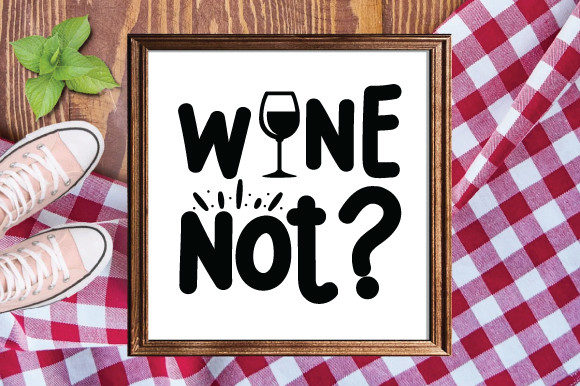
The immediate appeal of Wine Not Svg lies in its playful personality. It taps into the "mom life" and wine culture niche, which remains a powerhouse for small business owners and Etsy sellers. However, visual charm does not always equal embroidery success. When I first opened the file to evaluate it for a potential custom apparel project, I was looking for clean lines and logical flow. The shape of the wine glass and the typography need to hold their own without becoming a tangled mess of thread. For a craft business, the difference between a professional-looking item and a cheap knock-off often comes down to stitch clarity and density.
From Digital File to Stitched Reality
Let’s talk about a real-life scenario. Imagine you are preparing a batch of personalized gifts for the upcoming holiday season. You have ordered high-quality cotton tote bags and want to create a limited run of embroidered patches featuring the Wine Not Svg design. In this context, the design acts as the centerpiece. The layout needs to be balanced so that the text doesn't overwhelm the graphic element. If you are using this for custom apparel like sweatshirts or aprons, the placement is critical. A design that works perfectly on a flat pillow cover might struggle on the curved surface of a cap or the stretchy fabric of a fitted t-shirt.
When converting this SVG into an actual machine embroidery design, the first thing I check is the line weight. Thin lines in the original Graphics can sometimes disappear if converted to a single running stitch, especially on dark fabrics. With Wine Not Svg, the boldness of the quote suggests it should work well with a satin stitch border or a dense fill stitch to ensure visibility. However, you must verify the stitch density. If the density is too high, the fabric will pucker, ruining the drape of a delicate kitchen towel or baby item. If it is too low, the design will look sparse and unfinished. As a reviewer, I recommend testing the design on scrap fabric first to see how the needle penetrates the material.
Navigating Fabric Challenges and Hoop Constraints
Not all projects are created equal. While Wine Not Svg is versatile, there are specific situations where caution is required. For instance, using this design on thin, stretchy fabric requires a heavy-duty stabilizer. Without proper support, the tension from the stitching can distort the fabric, making the wine glass look warped rather than elegant. Similarly, if you plan to use this for embroidered patch production, you need to ensure the backing is rigid enough to maintain the shape after cutting.
Another critical factor is the hoop size. Many designers assume a file fits any hoop, but that is rarely true. If you are working with a 4x4 inch hoop for a small shop product like a keychain or a small hat, you must confirm that the entire design fits without scaling it down to illegibility. Tiny lettering in the funny quotes can become unreadable if scaled too small. Conversely, if you are embroidering a large blanket or a throw pillow, you might need to increase the size, which could alter the stitch count and require more thread colors than anticipated. Always check the dimensions before committing to a full run.
Color Strategy and Visual Impact
The mood of Wine Not Svg is inherently fun and slightly cheeky, which influences your choice of thread colors. While red and purple are obvious choices for wine, consider how these colors interact with the background fabric. On a black sweatshirt, a bright fuchsia might pop, but on a navy blue tote bag, it could get lost. Testing your design in black and white mockups helps visualize the contrast before you even touch the machine. High contrast is essential for commercial embroidery because it ensures the design is recognizable from a distance, boosting brand consistency and customer trust.
Furthermore, think about the longevity of the product. If you are creating items that will be washed frequently, such as tea towels or baby clothes, the stitch type matters. Satin stitches are beautiful but can snag easily on rough textures. Fill stitches are generally more durable. For a handmade product meant to last, ensuring the design is robust against wear and tear is part of the professional evaluation process. The visual appeal of the finished product should remain intact even after several wash cycles.
Practical Notes for the Professional Maker
- Test First: Never skip the test run on scrap fabric. Check for puckering, skipped stitches, and alignment issues.
- Stabilizer Matters: Use the appropriate stabilizer for your fabric type to prevent distortion, especially on stretchy or thin materials.
- Check Licensing: Before selling items made with Wine Not Svg, confirm the licensing terms. Ensure you are allowed to sell physical goods versus digital files.
- Mockup Wisely: Create realistic printable mockups to show customers exactly how the design looks on different products like caps, shirts, and bags.
- Thread Selection: Match your thread sheen to the fabric. Matte threads work better on casual cottons, while metallics can elevate a boutique gift.
In conclusion, Wine Not Svg offers a solid foundation for creative entrepreneurs looking to expand their catalog with themed designs. It fits naturally into categories like holiday embroidery, personalized gifts, and boutique branding. However, its success depends entirely on how well you adapt it to your specific project requirements. By paying attention to stitch density, fabric texture, and color contrast, you can transform this digital asset into a high-quality, market-ready product. Whether you are an experienced Etsy seller or a hobbyist starting a craft business, treating every digital embroidery file with professional scrutiny ensures that your final creation meets the high standards your customers expect.