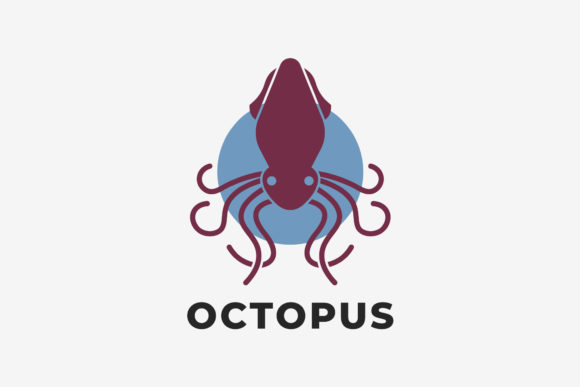
Reviewing the Octopus in Water Logo Vector Design
As a designer who has spent years translating digital concepts into thread, I approach every new asset with a mix of curiosity and caution. We often see Logos and Graphics marketed as ready-to-stitch solutions, but the reality of moving from screen to fabric is rarely seamless. Recently, I evaluated the Octopus in Water Logo Vector Design to determine its viability for real-world embroidery projects. This isn’t just about whether the image looks good on a monitor; it is about how those curves and lines hold up under the needle, how they interact with different textiles, and whether they add genuine value to a handmade product.
First Impressions: Mood and Visual Personality
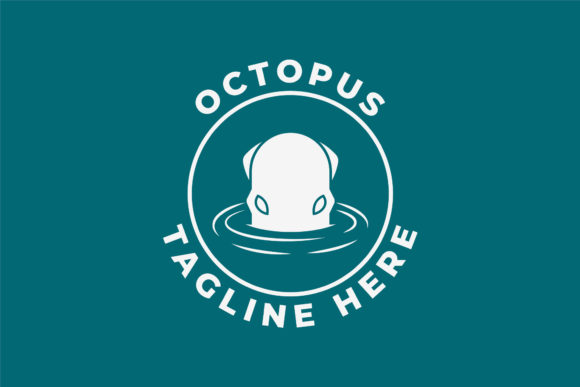
The initial appeal of the Octopus in Water Logo Vector Design lies in its fluidity. The theme evokes a sense of calm and mystery, making it an excellent candidate for brands or individuals drawn to nautical aesthetics, marine conservation, or whimsical coastal vibes. The layout feels balanced, with the organic shapes of the tentacles providing natural movement. For an embroidery designer, this movement is both a gift and a challenge. Organic lines can look stunning when stitched correctly, creating a soft, hand-drawn feel that rigid geometric shapes often lack. However, they require precise digitizing to avoid looking jagged or messy.
The visual personality here is versatile. It doesn’t scream "children’s cartoon," nor does it feel overly corporate. This neutrality is a strength. It allows the design to sit comfortably on a high-end boutique tote bag just as well as it might on a playful baby onesie. When I first opened the files, specifically the EPS 10 vector, I looked for clean anchor points and smooth curves. Since the product description notes that you can change the vector-based design, this flexibility is crucial for adapting the artwork to specific hoop sizes or simplifying details before converting it into a machine embroidery design.
Real-World Application: From Digital File to Finished Product
To truly test the Octopus in Water Logo Vector Design, I imagined several practical scenarios where this graphic would serve as the centerpiece of a custom apparel or home decor item. Consider a custom embroidered sweatshirt for a local surf shop. The design’s flowing lines would complement the relaxed fit of the garment. Using a combination of satin stitch for the outline and fill stitch for the body of the octopus could create a rich texture that stands out against cotton fleece. The key here is managing the stitch density. If the design is too dense, the fabric will pucker; if it is too sparse, the backing will show through.
Another strong use case is a tote bag design. Canvas is a sturdy fabric that handles embroidery well, allowing for bolder thread colors and slightly higher stitch counts without distortion. Imagine this octopus stitched in deep navy or teal threads on a natural beige canvas. The contrast would be striking, appealing to eco-conscious shoppers who appreciate unique, handmade products. For Etsy sellers, this kind of distinctive imagery helps differentiate listings in a crowded marketplace. It transforms a generic bag into a personalized gift or a statement piece.
I also considered its application in nursery decor. A smaller version of this design could work beautifully on a baby blanket or a pillow cover. Here, the softness of the subject matter aligns perfectly with the intended audience. However, for baby items, comfort is paramount. This means avoiding scratchy metallic threads and ensuring that any stabilizer used is tear-away or cut-away depending on the fabric weight, so it doesn’t irritate sensitive skin.
Navigating Technical Challenges and Fabric Choices
While the aesthetic is strong, the technical execution requires careful planning. The Octopus in Water Logo Vector Design features curved elements that can be tricky on certain surfaces. For instance, stitching this on a curved surface like a cap requires experience. The tension must be adjusted to prevent the design from pulling or distorting around the brim. Similarly, thin or stretchy fabrics pose a risk. If you attempt to stitch this directly onto a lightweight jersey t-shirt without proper stabilization, the result may be uneven. A cut-away stabilizer is often necessary for stretchy materials to maintain the integrity of the embroidery file’s shape.
Dark fabrics present another consideration. If the original vector uses light colors, stitching them on black fabric might require an underlay or a backing patch to ensure visibility. Alternatively, adapting the color palette to brighter, contrasting thread colors can make the design pop. Always test the design on scrap fabric first. This simple step saves time and material. Check thread color contrast and review how the stitch density interacts with the fabric texture. A design that looks crisp on a smooth polyester blend might lose definition on a textured linen.
Enhancing Brand Value and Customer Trust
For small business owners and craft entrepreneurs, the quality of your design assets directly impacts perceived value. A clean, professional-looking embroidery project signals attention to detail. When customers see a well-executed Octopus in Water Logo Vector Design on a finished product, they associate that quality with your brand. It builds trust. Whether you are selling commercial embroidery services or digital embroidery files, consistency is key. Using versatile graphics like this allows you to maintain a cohesive visual identity across different product lines, from aprons to holiday embroidery gifts.
Moreover, the adaptability of vector files means you can create printable mockups for your online store before committing to production. This helps in gauging customer interest and refining your marketing strategy. By offering this design on various items, such as kitchen towels or embroidered patches, you cater to different buyer preferences, increasing engagement and sales potential.
Practical Notes for the Embroidery Designer
Before launching into production with the Octopus in Water Logo Vector Design, keep these practical tips in mind:
- Verify File Compatibility: The package includes EPS, SVG, PDF, and JPG files. Remember, these are vector graphics, not native machine embroidery formats. You will need to digitize them or convert them using software that supports vector import. For best results, open the EPS file in Adobe Illustrator to clean up paths and adjust sizes.
- Check Licensing: Confirm whether the license allows for commercial use. If you plan to sell finished items or digital products derived from this design, ensure you have the right to do so.
- Test Stitch Density: When digitizing, pay close attention to the tentacle tips. Tiny details can get lost if the stitch length is too long or if the density is too high. Use running stitch for fine outlines if appropriate.
- Hoop Size Selection: Choose a hoop size that accommodates the design with enough margin for stability. Do not crowd the edges.
- Color Testing: Experiment with different thread combinations. Monochromatic schemes can look sophisticated, while multi-colored approaches can highlight the design’s playful nature.
In conclusion, the Octopus in Water Logo Vector Design offers a solid foundation for creative embroidery projects. Its success depends not just on the graphic itself, but on the designer’s ability to translate its fluid lines into durable, attractive stitches. With careful preparation and thoughtful execution, it can elevate everything from a simple tote bag to a premium boutique item.